Posted on April 10th, 2015
Determining the amount of estrogen that a patient is producing, including their exposure to environmental estrogens, for both humans and animals, has been recognized in the medical world as being vitally important to health. Besides identifying exposure to phytoestrogens and xenoestrogens, the medical profession believes the main source of estrogen in females comes mainly from […]
Posted on April 2nd, 2015
Dr. AL Plechner discusses today’s commercial pet foods.
Posted on April 2nd, 2015
Dr. AL Plechner discusses phytoestrogens, which are plants that contain estrogen.
Posted on March 26th, 2015
Chronic renal failure may be a common occurrence with many various canine breeds or mixed breeds, based upon genetics or acquired through aging, stress, toxins in their environment, foods that contain pesticides (xenoestrogens) which are estrogen mimickers (including glyphosates), vegetables that contain plant estrogens (phytoestrogens) GMO foods, monthly insect chemicals, medical procedures, vaccinations, radiation, improper […]
Posted on March 18th, 2015
What is Feline Hyperthyroidism? This is a disease of the thyroid gland found mainly in felines. It does occur in canines, but to a much lesser degree. Probably close to 98% of the feline patients that have hyperthyroidism will have a functional tumor in their thyroid gland that may or may not be palpable. It […]
Posted on March 11th, 2015
Dr. AL Plechner discusses SARDS or Sudden Acquired Retinal Degeneration Syndrome and how there is treatment.
Posted on March 11th, 2015
Dr. AL Plechner discusses fleas and why some pets have them while other pets do not.
Posted on March 6th, 2015
Veterinary ophthalmologists agree that there is no treatment for Sudden Acquired Retinal Degeneration Syndrome (SARDS). But for the most part, they do agree that SARDS is an autoimmune disease, probably caused by deregulated T-lymphocytes that are no longer controlled due to an imbalanced endocrine system, causing the loss of their recognition of self-tissue and causing […]
Posted on March 4th, 2015
Hyperthyroidism in humans and animals comes from a thyroid gland that is over producing its thyroid hormones T3 (triiodothyronine) and T4 (thyroxin). When the production of T3 and T4 are deficient, the opposite condition occurs, which is referred to as hypothyroidism. An inflammation of the thyroid gland in humans can lead to the production of […]
Posted on February 26th, 2015
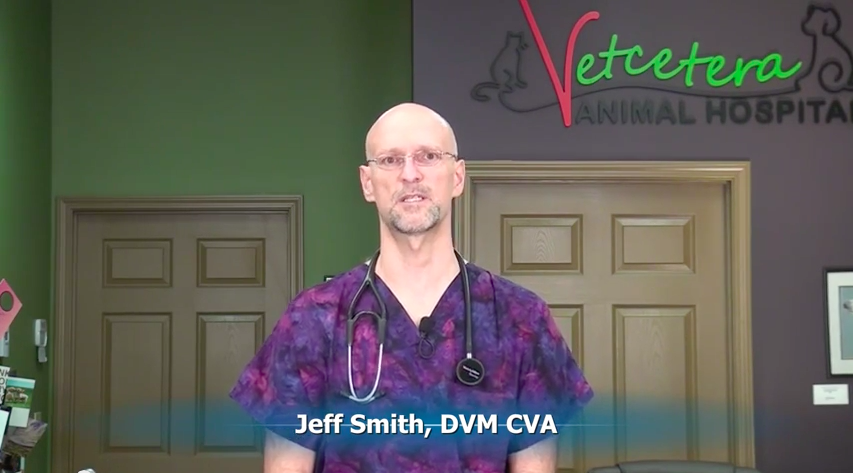
Asheville veterinarian Dr. Jeff Smith with Vetcetera Animal Hospital shares his thoughts on Plechner’s Syndrome and pet allergies and what you can do to help.